Field notes · · Tomek Piskor-Ślesicki
The felt piano started as a way to keep the neighbours happy
A felt piano is a piano with a strip of felt laid between the hammers and the strings. A small modification that turned an ordinary instrument into the sound of an entire genre.
It began as a practical problem. Nils Frahm wanted to play at night without disturbing the neighbours, so he put felt on his piano to keep the volume down. Then he liked what it did, especially recorded up close, and made a record out of it. That record is Felt, and I think the whole neo-classical wave grew out of it.
Ólafur Arnalds mixed it with soft strings and synthesizers, a combination that became his trademark sound. Felt is now one of the most recognisable sounds in film and ambient music. A strange fate for a piece of cloth.
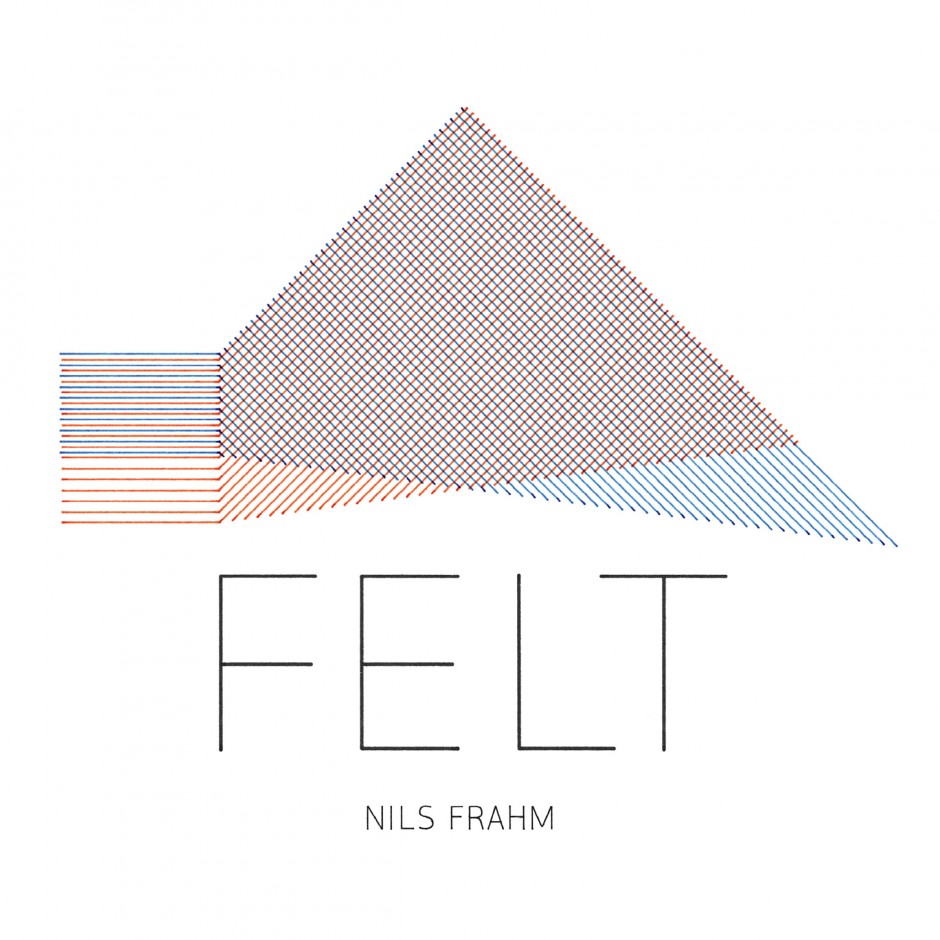
Nils Frahm's Felt is most likely the record that started it all.
What the felt actually does
The hammer never touches the string directly. It strikes through cloth. The note comes out quieter, the attack loses its edge, and the mechanical side of the instrument, which a loud piano buries under itself, is exposed. Listen closely and you'll hear a little tshhh whenever the hammer hits the string. That's the felt moving.
Other materials get a similar result, and it's worth experimenting. On Lekko I used cotton, because on that piano felt sounded too muffled and clunky. You're taking the edge off, not putting a blanket over the thing.
One more thing to consider. Because the sound gets much quieter, you crank up the preamps, and the noise comes up with it: the electronics, and the room itself. You can hear it clearly throughout Felt. Most people are told to avoid noise at all costs. Here it's part of the album's texture. Noise isn't a technical layer over your recording. It's the air around every note.
This is why so many piano libraries fall short: the samples are cleaned up until the life is sucked out of them (I blame the major players on the market for that, sorry), and the piano ends up sounding dead, underwater, or both. There is no free lunch. Record this quietly and hiss is part of the sound.
The reason I think it's important to accept the noise as a part of the recording is that it's, well, just that. When you clean sounds up, you also srub away little details and high frequency information that makes things sound alive.


Bardzo was recorded with the same Neumann KM-54 tube microphones that Nils Frahm used on his recordings.
The felt cliché
The sound now arrives with an arrangement attached. Felt piano, a synth pad underneath, flageolet strings on top. You've heard it a million times.
I still love the sound. I think it benefits from different company: let the piano be the familiar element and let the rest of the arrangement do something less expected. A Guitaret or a celeste pairs well with a piano, and so do more experimental string techniques.
Nils Frahm did this beautifully on All Melody, my favourite album of his. The way he combines instruments, felt piano included, blurs the boundaries and stays clear of whatever you expect when a track starts.
Can you get the felt sound with processing?
Softer transients, exposed mechanical noise, less top end: you might think a compressor and an EQ would get you there. Well, not exactly. That strip of felt is an acoustic compressor for your piano. But that's where the similarities end.
You can't get a felted piano by processing a regular one. The magic is in how a physical instrument responds to physical treatment, and no post-processing gives you that. There's also the performance. When you play an instrument, you respond to the sound it gives you. That holds for sampled pianos too: whoever performed it, one note at a time, played to the sound they heard, and it was miked for that sound. Put a microphone up to the strings, play forte, and no amount of processing turns that into an intimate recording.
Which plugins of mine are felt pianos
Lekko is one, plainly. A small Swedish upright with cotton laid in and sampled as quietly as possible. It does the fragile end of this better than anything else I've made.
Bardzo is the more interesting answer. It has a felted patch, but that isn't the reason to own it. It's an electric grand with two strings per key and no soundboard, and it already behaves the way a felted piano behaves: quieter, softer in the attack, the mechanics right there in the sound. It gets there without the cloth, so it keeps the dynamic range a felted piano gives up. It sounds like a felt piano, and like a grand, and not quite like either. Nobody can place it in a genre, and that's the part I like.
If neither gives you the texture you're after, Native Instruments and Spitfire Audio have nice offerings too. There's no such thing as the best piano library, or the best felt piano plugin. The best is whatever feels right to you, which is what started this whole search in the first place.
Plugins mentioned in this article:

A 1970s Scandinavian upright, sampled as quietly as possible
$69

A 1970s touring grand with two strings per key and no soundboard
$149


